Numerous myths have surrounded the ever present FAT, mostly negative things are associated with it, the most famous myth which is “Eating fat makes you fat”. Contrary to this belief some fats even help in weight loss. So let’s shed the fat myth and work with the fat facts so we benefit with optimal health! The first thing to note is that, as in all things there are good and the not so good. The same goes with fats.
Here begins the Low-fat vs the Full-fat debate. Full-fat food may have more calories and cholesterol but it is required to transport vitamins A, D, E, and K, produce hormones, store energy, and protect organs. It also gives flavor and satiation to our food. Low-fat food may have reduced calories and cholesterol, but there is usually an increase in salt, sugar, and other thickeners just to compensate for the reduced taste. Processed Low Fat foods have been chemically treated so try to avoid them. Instead choose naturally lower fat foods. Choosing which fats that can help your diet and sustain your vitality is the main aim. Scrutinize food labels, see what your body needs, balance your diet and see what works for you.
Here are 5 facts about fat:
1. TYPES OF FATS -There are three main types of fat:
SATURATED FAT– These fats come from animal or plant sources, and are the typical fats that raise blood cholesterol. Butter, sausages, lard, whole milk, and cheese are some foods that have huge amounts of saturated fats.
UNSATURATED FAT– The two main types of unsaturated fats are polyunsaturated fats and monounsaturated fats, both of which may lower blood cholesterol. Polyunsaturated fats are found in soybeans, sesame and sunflower seeds, most nuts and their oils. Monounsaturated fats are found in canola oil, peanut oil, olive oil, and avocados.
TRANS FAT– Trans fats are added to food to increase the shelf life and improve the texture of baked goods and processed food. They entice your taste buds, then travel through the digestive system, then clog your arteries. They lower levels of good cholesterol and raise levels of bad cholesterol. Some products may claim “zero” trans fat because they contain less than 0.5 per serving, but any product that contain hydrogenated oil is made with trans fat.
2. HEALTHY FATS – Healthy fats such as omega-3 fatty acids, a type of polyunsaturated fat, have been known to benefit the brain, help with blood lipids, helps decrease stroke and heart disease risk, and support a healthy pregnancy. Omega-3 fatty acids can be found in fish, flax, and chia seeds.
3. CANCER AND FATS –Consumption of too much fat may also put you at risk of developing certain cancers. Recent study found that lack of good nutrition and physical activity is proven risk factors for certain cancers.
4.WEIGHT LOSS –In terms of weight loss and fats, what matters most is the difference between the number of calories you expend and the number of calories you consume. Fat and weight loss is about burning lots of calories and cutting back on the number of calories consumed. For the purpose of losing weight, it matters little whether the calories burned during exercise come from fat or carbohydrates.
5.BALANCED FAT IN YOUR DIET – Most adults should receive fewer than 30% of their calories from fat. For example, most adults who consume 2000 calories per day should limit their fat intake to 65g. The American Dietetics Association recommends limiting total calories from saturated fat to 7-10%. Monounsaturated fats should account for 10-15% of total calories and roughly 10% of total calories should come from polyunsaturated fat. And saturated fats should be consumed least and try to choose hormone free/organic as there is less chemicals stored in the fat.
Its known that chemicals and toxins are stored in fat cells of animals, including humans. With this in mind it serves us to limit highly processed, chemically laced foods to avoid our fats cells becoming a dumping ground for the toxins. Over time, our human bodies are using our fat stores for toxin waste tips which is why we have an obesity epidemic on hand. Our fat cells are trying to keep up with fat deposits and waste storage awaiting its elimination!
In light of these facts, I recommend these fatty foods which should help you in your crusade towards a healthier diet. The majority are plant based fats.
TOP 5 FAB FAT FOODS
1. AVOCADOS
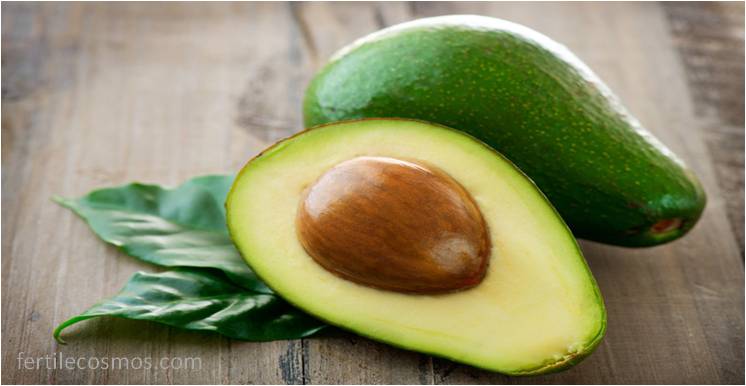
Avocado has a high fatty acid content but contains low levels of cholesterol. It is a good source of monounsaturated fat which reduces levels of bad cholesterol in your blood and lowers your risk of stroke and heart disease. It is also rich in fiber which aids in digestion, thus reducing constipation and diarrhea and lessening the chance of getting colorectal cancer. Improved digestive health can also prevent bad breath which is caused primarily due to indigestion. Avocados also contain lutein which helps to protect your eyes against cataracts and certain types of cancers, eye diseases and macular degeneration. This food also reduces inflammation in tissues, joints and muscles.
2. ALMONDS
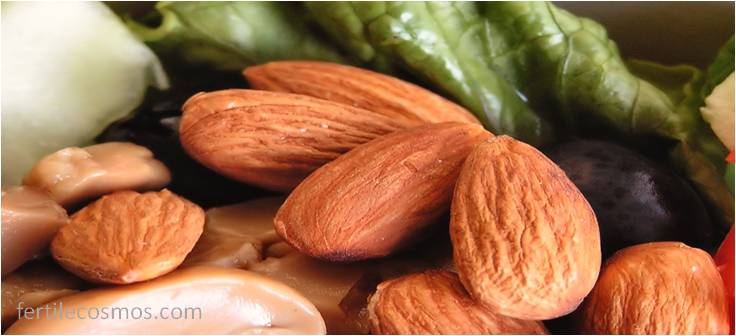
Almonds have two important fatty acids, linoleic and linolenicacids, which helps reduce inflammation all around the body, reduce the level of bad cholesterol and promote healthy skin and hair. Almonds are also a great source of vitamins and minerals and a lot of health benefits can be derived from these fat foods. Almonds are good for the brain for these contain riboflavin and L-carnitine which helps in increasing brain activity. Almonds also contain phosphorous which helps strengthen bones and teeth. The monounsaturated fats, protein and potassium, all found in almonds, aid in heart health and regulates blood pressure. The presence of Vitamin E reduces heart risks while magnesium in almonds can help avoid heart attacks.
3. COCONUT OIL

In the past, coconut oil was considered harmful in the body due to the saturated fats it contains. However, what they contain is not the usual saturated fat but the Medium Chain Triglycerides (MCTs) which are fatty acids in medium length and digest well in the body’s system. MCTs and fatty acids in coconut oil are easily converted into energy when they reach the liver thus, prevents accumulation of fat and helps in easy digestion and weight loss. It also prevents diseases affecting the liver and kidney. Another fatty acid in coconut oil is Lauric acid which converts into monolaurin. Both lauric acid and monolaurin can kill harmful pathogens like bacteria, viruses and fungi that causes diseases such as herpes, influenza, and even HIV. Aside from Lauric acid, capric acid and caprylic acid can also be found in coconut which helps maintain blood sugar and cholesterol, strengthens the immune system and improve bone health.
4. FISH OIL

Fish oil is loaded with omega-3 fatty acids like alpha-linolenic acid (ALA), Docosahexaenoic acid (DHA), and Eicosapentaenoic acid (EPA) which play important roles in brain function, normal growth and development, and inflammation. Fatty fish like salmon, mackerel, swordfish, lake trout and sardines are rich in these omega-3s. Clinical tests have shown that omega 3 is effective in reducing cardiovascular diseases. Since fish oil is a great source of omega-3, it reduces the risk of heart diseases and other chronic diseases, lowers the level of bad cholesterol and increases the level of good cholesterol. Some research has linked taking fish oil with improved thinking skills and behaviour in children with ADHD due to its high concentration of fatty acids. Brain matter consists of about 60% fats, especially essential fatty acids such as omega 3 and omega 6 thus, fish oil helps to improve the functions of the brain.
5. OLIVE OIL

Olive oil has been popularized as a good cooking aid due to its health benefits. The main type of fat found in all kinds of olive oil is monounsaturated fatty acids which are considered a healthy dietary fat. Monounsaturated fat lessens cholesterol build-up and reduces heart problems. Olive oil is also rich in anti-oxidants which helps diminish the oxidation effects of bad cholesterol and minimize cancer risk. Ideally don’t fry with it as it changes its structure and produces toxins. It also slows down the aging process of the human body that is why olive oil is widely used in cosmetic products
How To Cook With Fat:
One of the main things to consider when evaluating whether it is OK to heat extra-virgin olive oil (or any other oil for that matter) is the smoke point of the oil. The smoke point is the temperature at which visible gaseous vapor from the heating of oil becomes evident. It is traditionally used as a marker for when decomposition of oil begins to take place. Since decomposition incurs chemical changes that may not only result in reduced flavor and nutritional value but also the generation of harmful cancer causing compounds (oxygen radicals) that are harmful to your health, it is important to not heat oil past its smoke point. Inhaling the vapors can also be damaging.
A good tip is not to burn your oil, or over cook your food. If your cooking smokes out your room you should consider not eating your food.
Do you want to unravel the fat puzzle by experiencing balanced nutrition plans which give your body the right balance of nutrients for optimum health? Research shows when you follow a meal plan and cook accordingly you educate yourself on what your body needs and you are more likely to stick with it an make it a lifestyle change.